
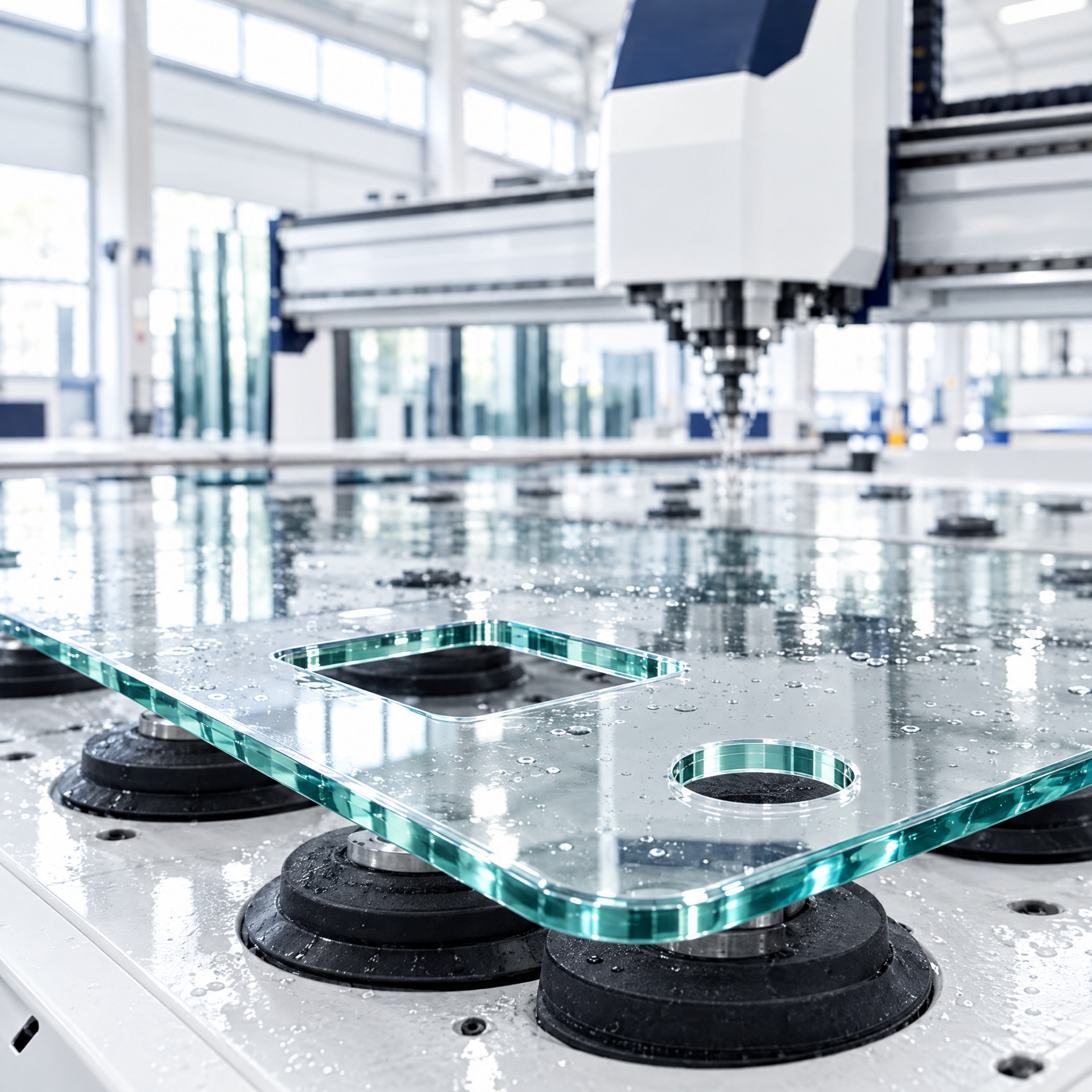
CNC GLASS MACHINING
CNC machining is the milling and grinding of glass on a computer-controlled machine, according to a technical drawing. It makes shapes possible that cannot be achieved by ordinary cutting: arcs, rounded corners, cut-outs for sockets and fittings, irregularly shaped holes.
Because the machine works from a file, every element in a series is identical. This matters for furniture, doors and built-ins, where a dozen or more sheets must fit each other and the fittings without adjustments on site.
WHAT WE MAKE ON CNC
Non-rectangular shapes, rounded corners, internal and edge cut-outs, holes for hinges and handles, cut-outs for electrical sockets in kitchen splashbacks, and edge grinding of elements with complex outlines.
FROM DRAWING TO FINISHED ELEMENT
It is best to send a drawing in DXF format or a PDF with dimensions. After CNC machining, the element can go on to tempering, laminating or painting - we plan the sequence so that all holes and cut-outs are made before tempering.
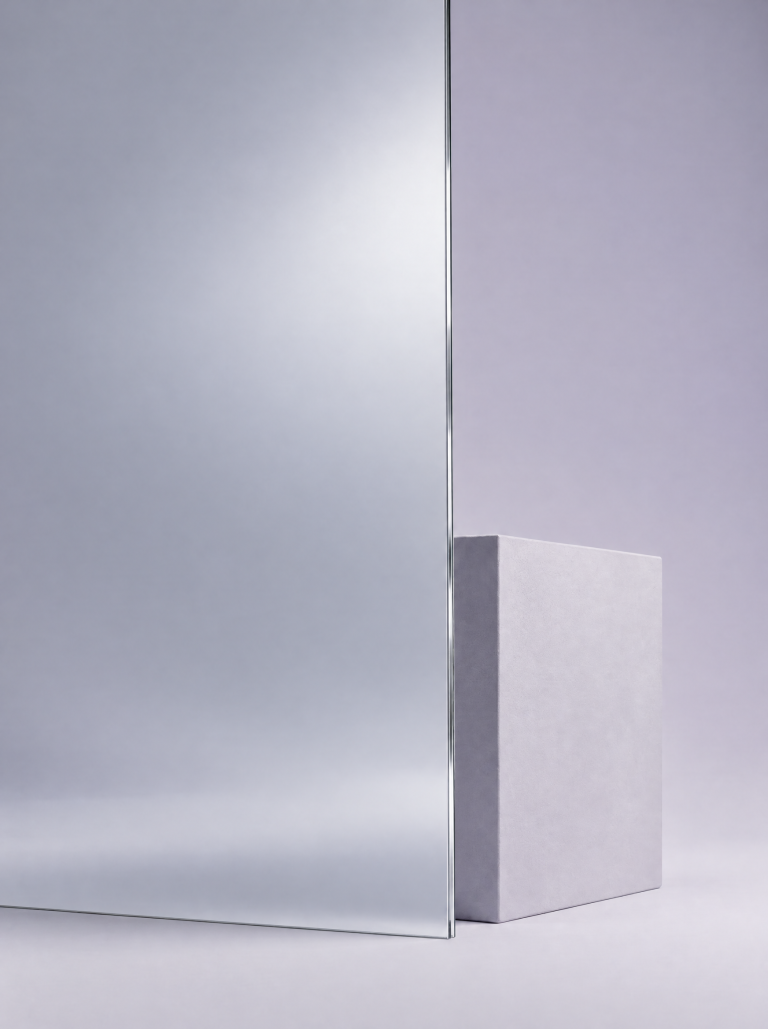
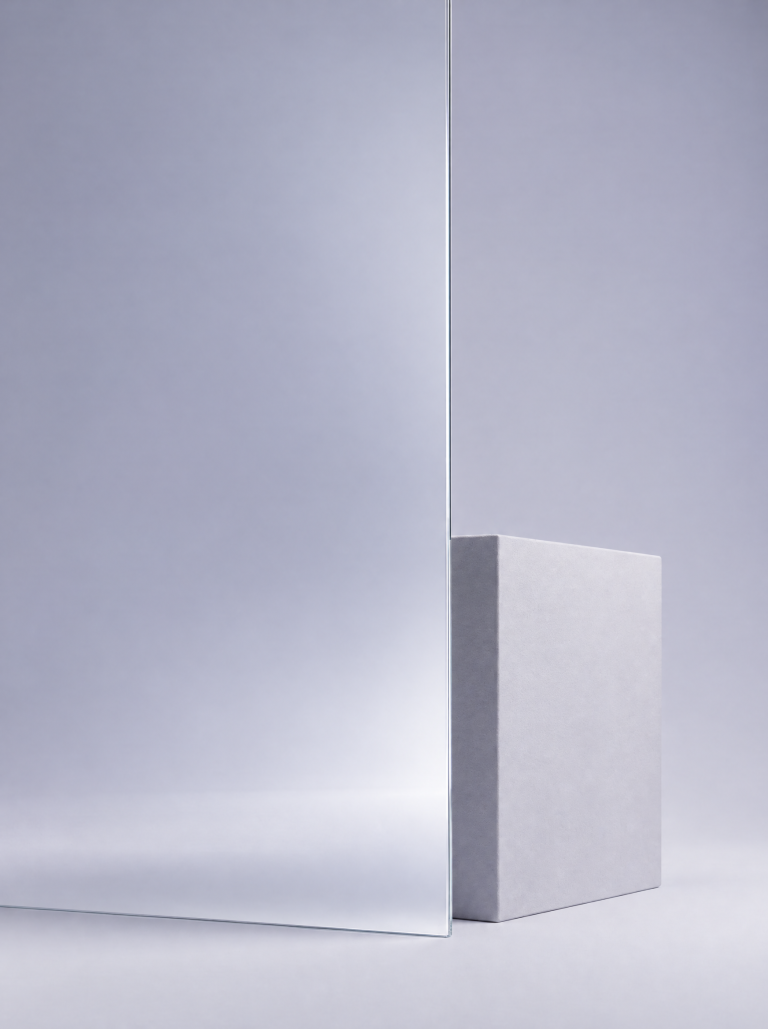
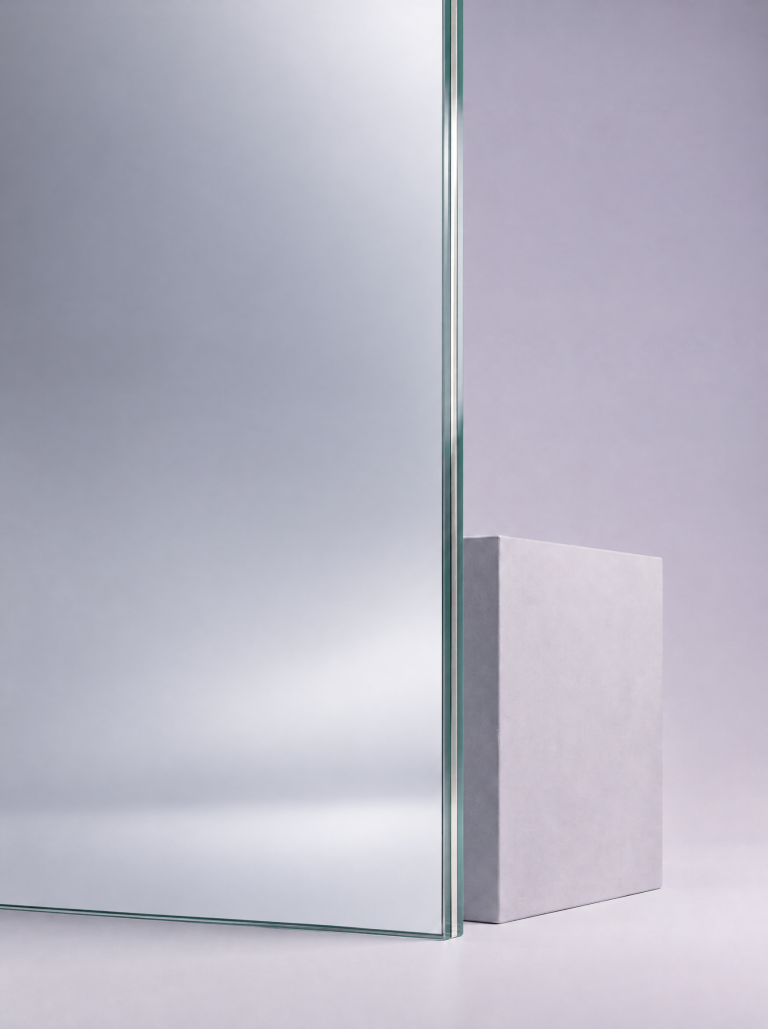
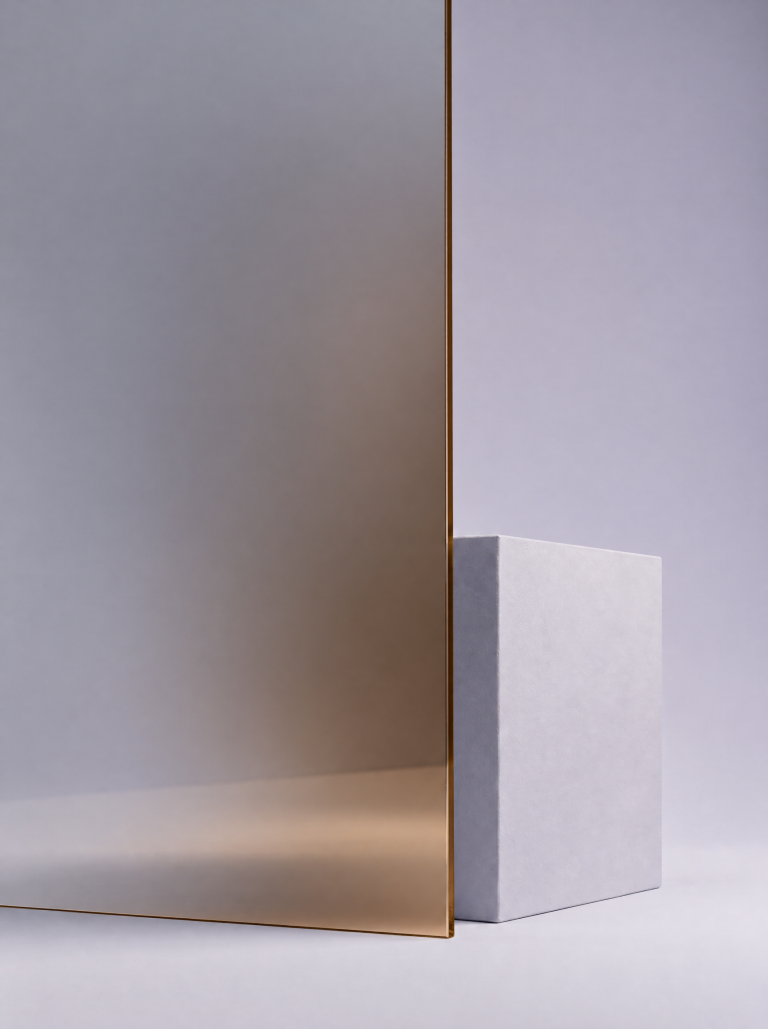
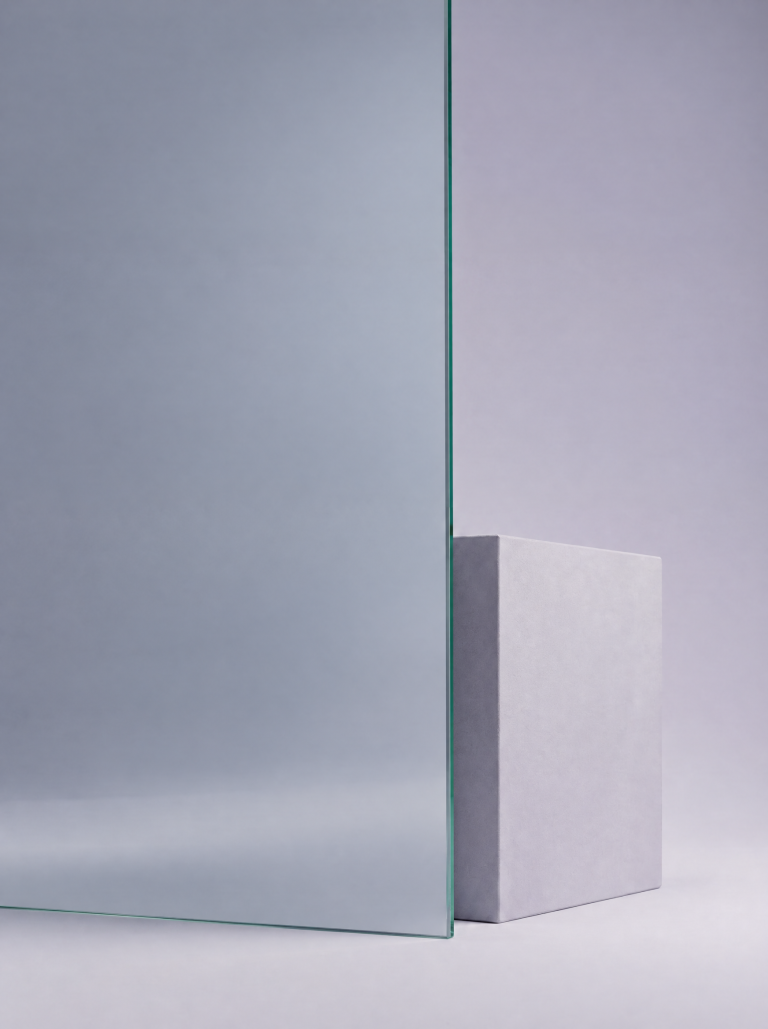
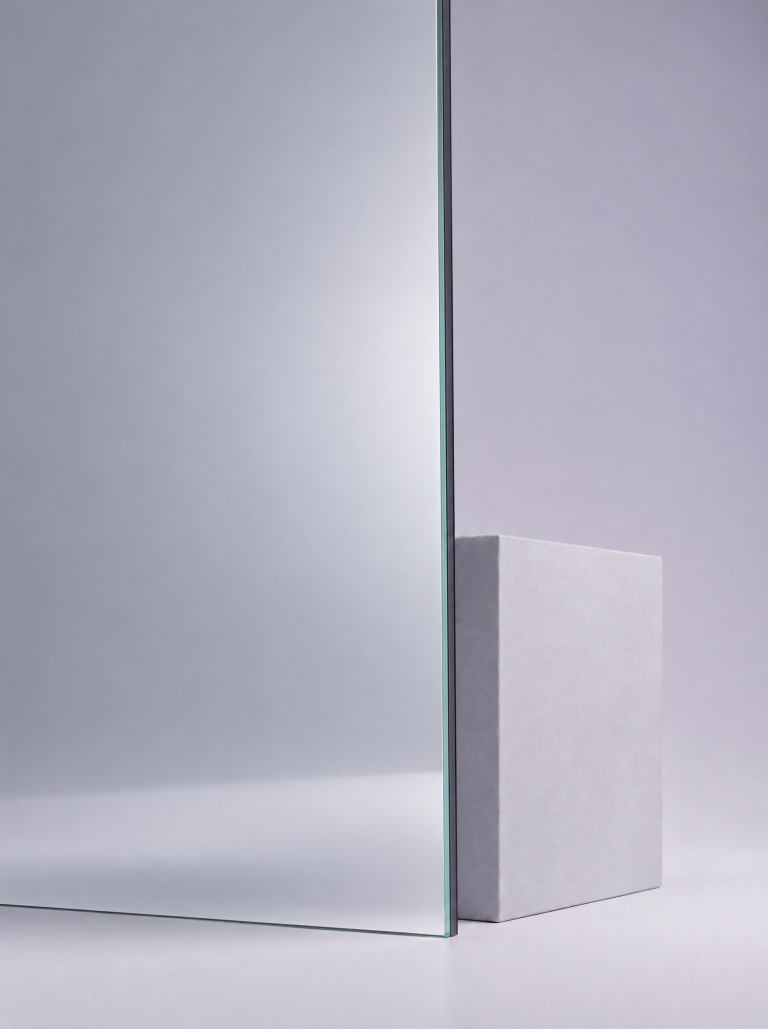
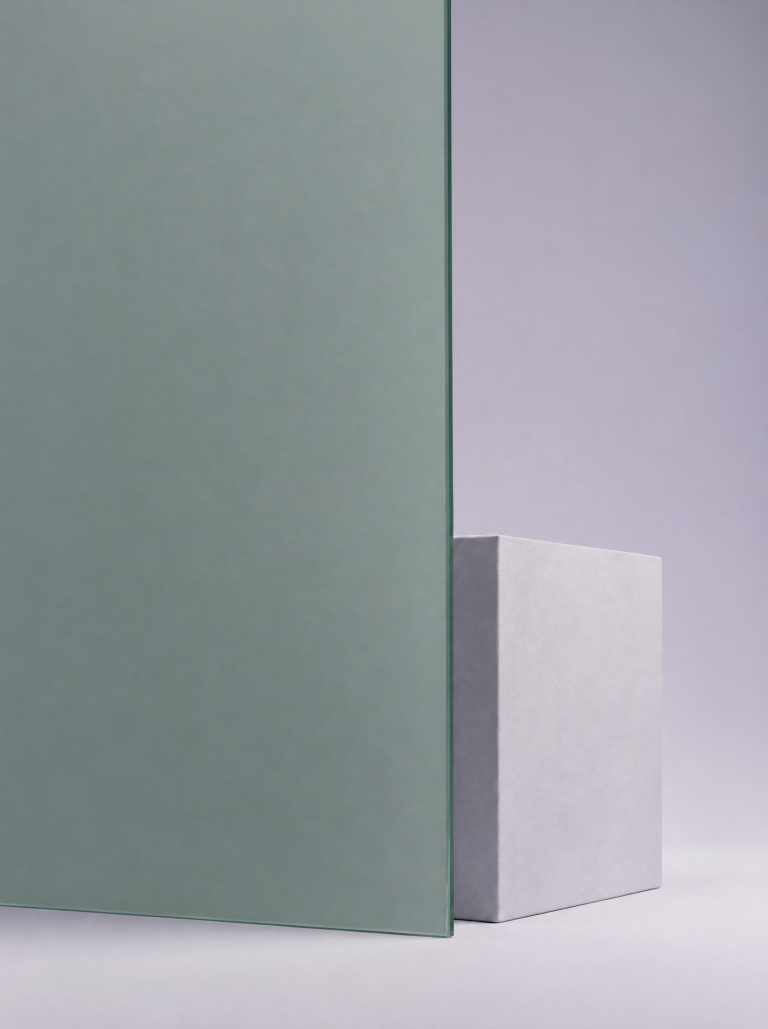
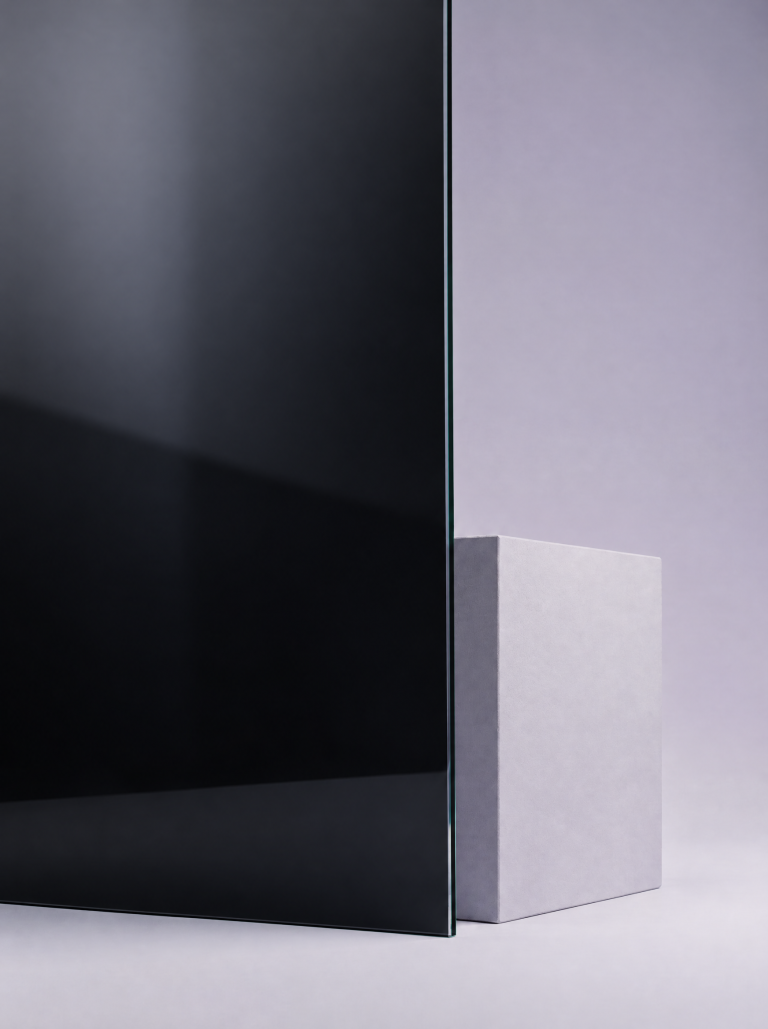
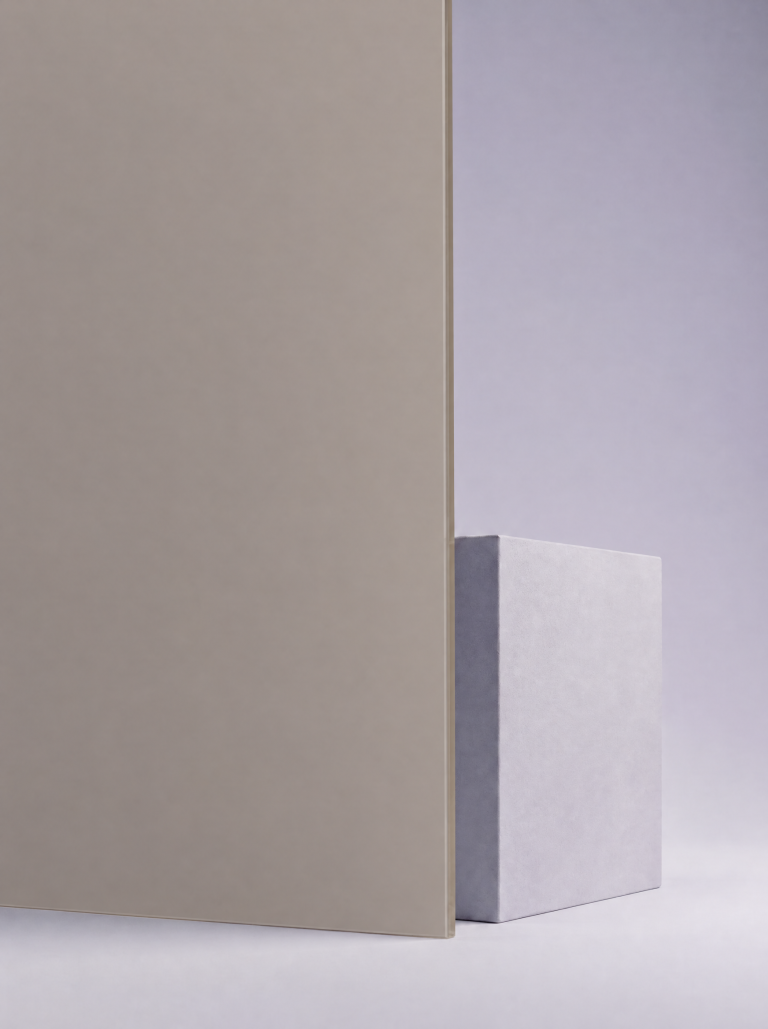
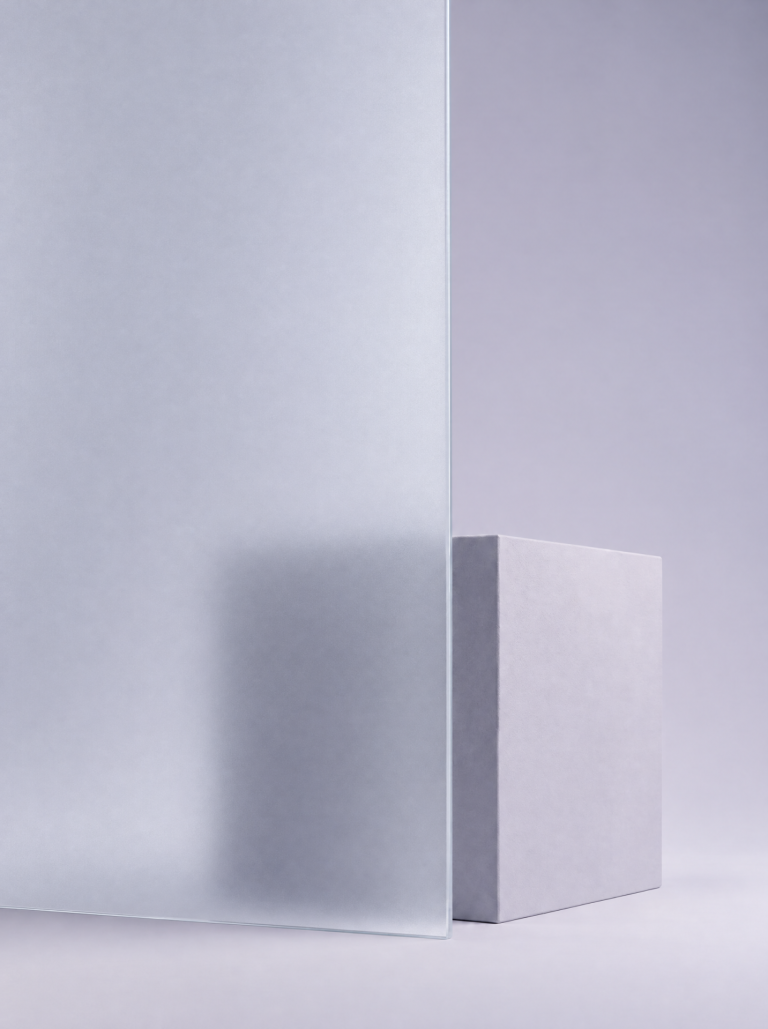
SAMPLE PRODUCTS AVAILABLE WITH THIS SERVICE

Frequently asked questions
-
In what format should I send the drawing?
DXF is most convenient, but we also accept a PDF with dimensions or an accurate sketch. It is important that it shows the outer dimensions, the position of cut-outs and holes, and the glass thickness.
-
Is CNC machining worth it for a single element?
Yes, if the element has a shape that cannot be achieved by ordinary cutting and grinding. For simple rectangles, cutting and edge grinding are enough.
-
Can glass be tempered after CNC machining?
Yes, and that is the usual practice. We make all cut-outs and holes before tempering, because tempered glass can no longer be processed.
 730 888 911
 kontakt@kamarglass.pl