
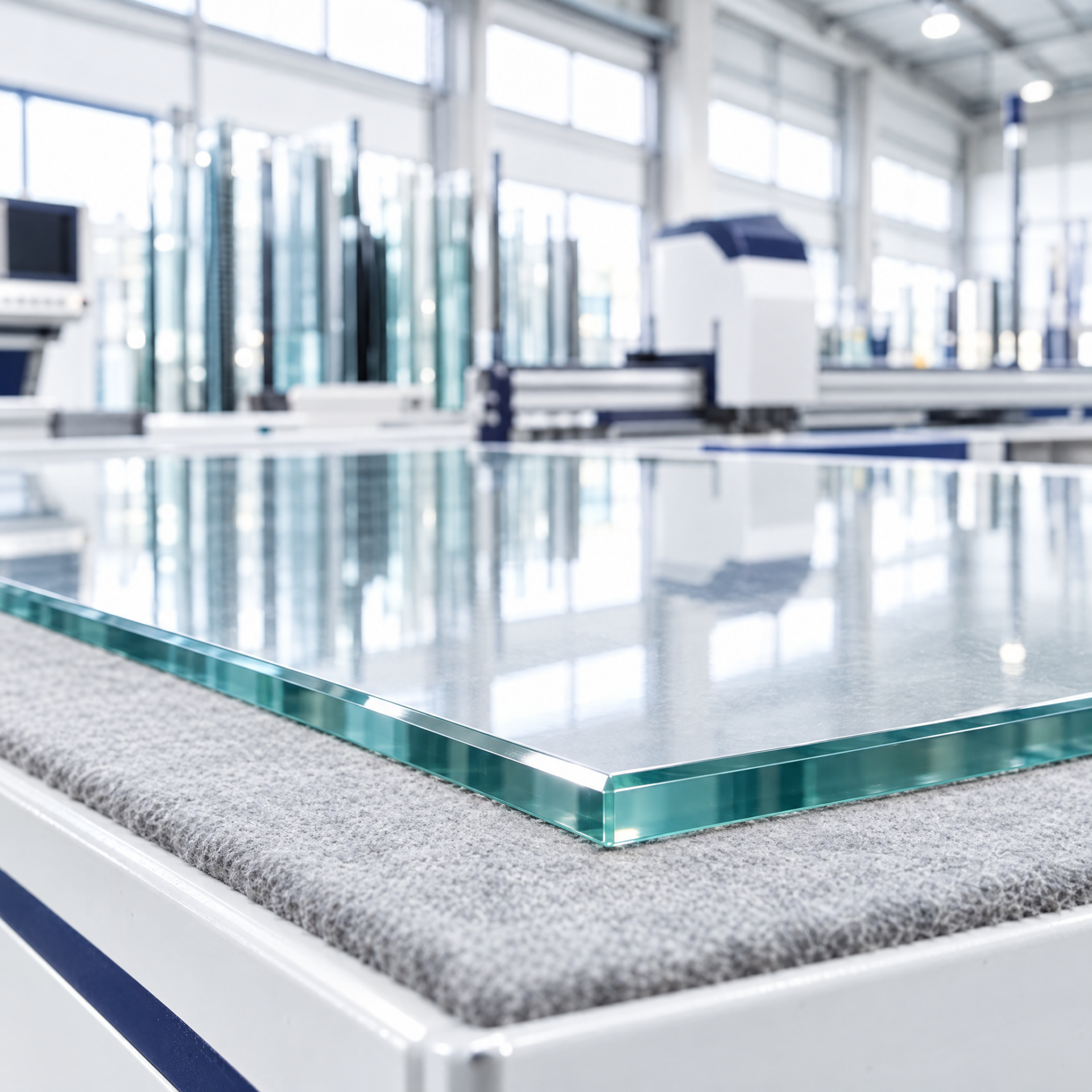
BEVELLING GLASS AND MIRRORS
Bevelling is grinding the glass edge at an angle to create a wide, sloping strip along the edge. The bevel refracts light and gives mirrors, shelves and table tops an elegant, lighter look. After grinding, we polish the bevel so it is smooth and glossy.
Bathroom and decorative mirrors, furniture glass, table tops and shelves are most often bevelled. The bevel width is matched to the size of the element and the glass thickness - a narrow bevel is subtle, a wide one clearly emphasises the edge.
HOW A BEVEL IS MADE
The edge is processed in stages: first rough grinding sets the angle, then fine grinding evens out the surface, and polishing restores its clarity and shine. The bevel can be made on one side of the sheet or on both sides of the same edge.
A BEVEL ON A MIRROR
On a mirror, a bevel works like a frame, even though there is none - the edge catches the light and reflects it at a different angle than the rest of the sheet. It is one of the most popular ways to finish mirrors for bathrooms, hallways and living rooms.
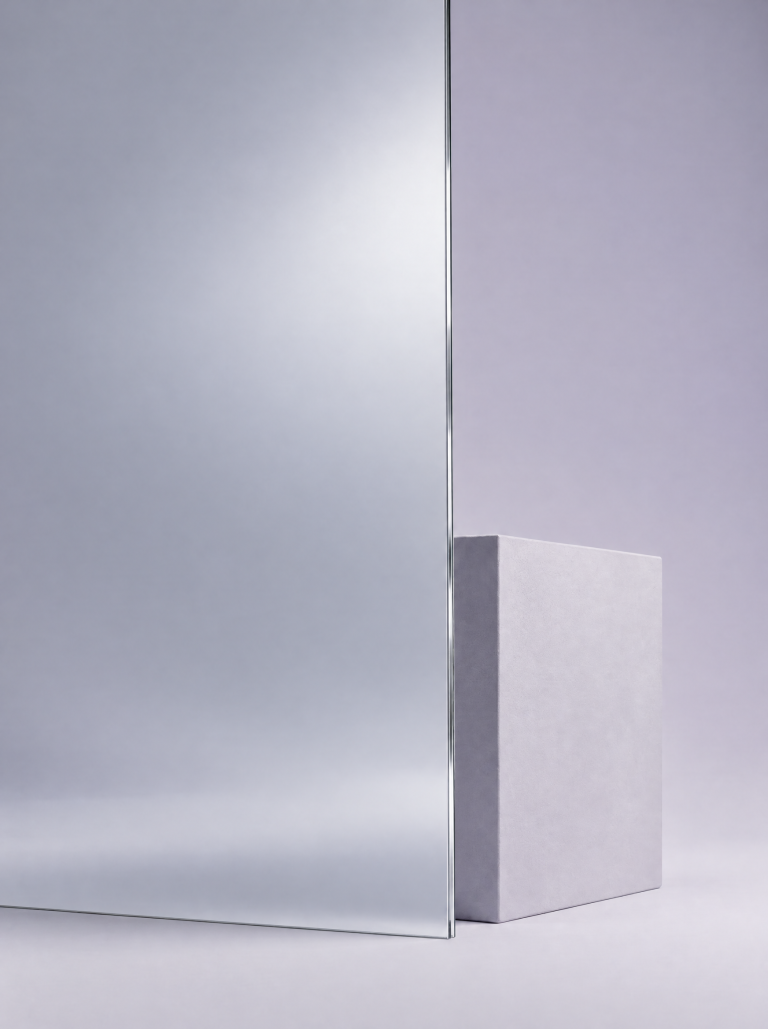
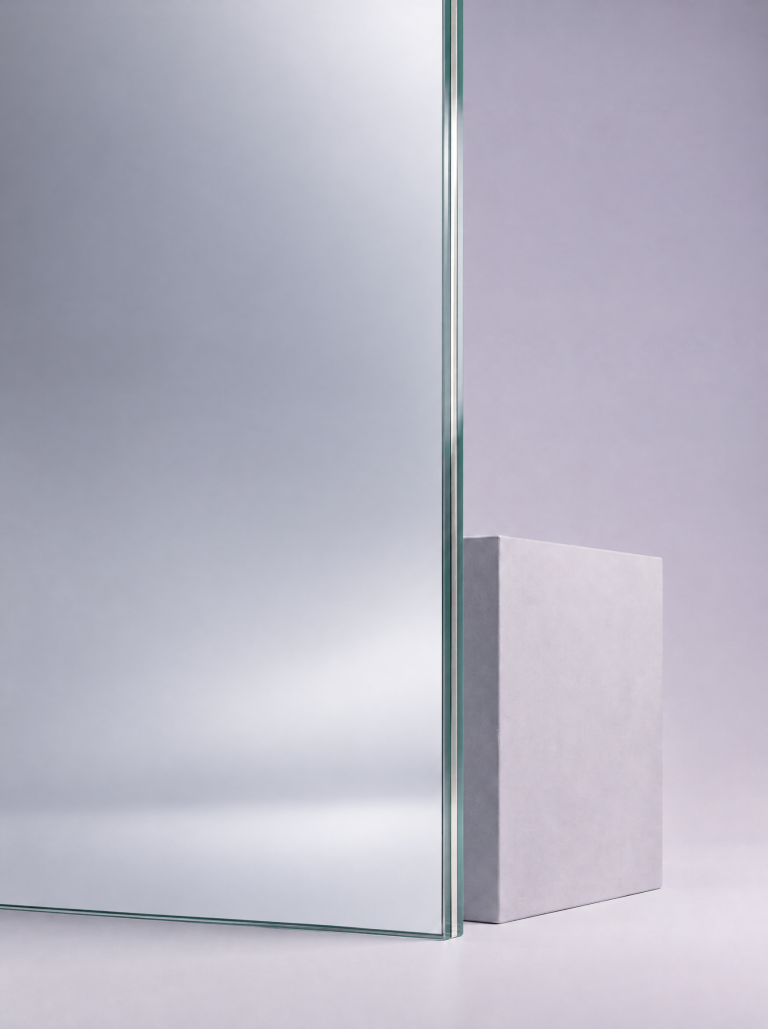
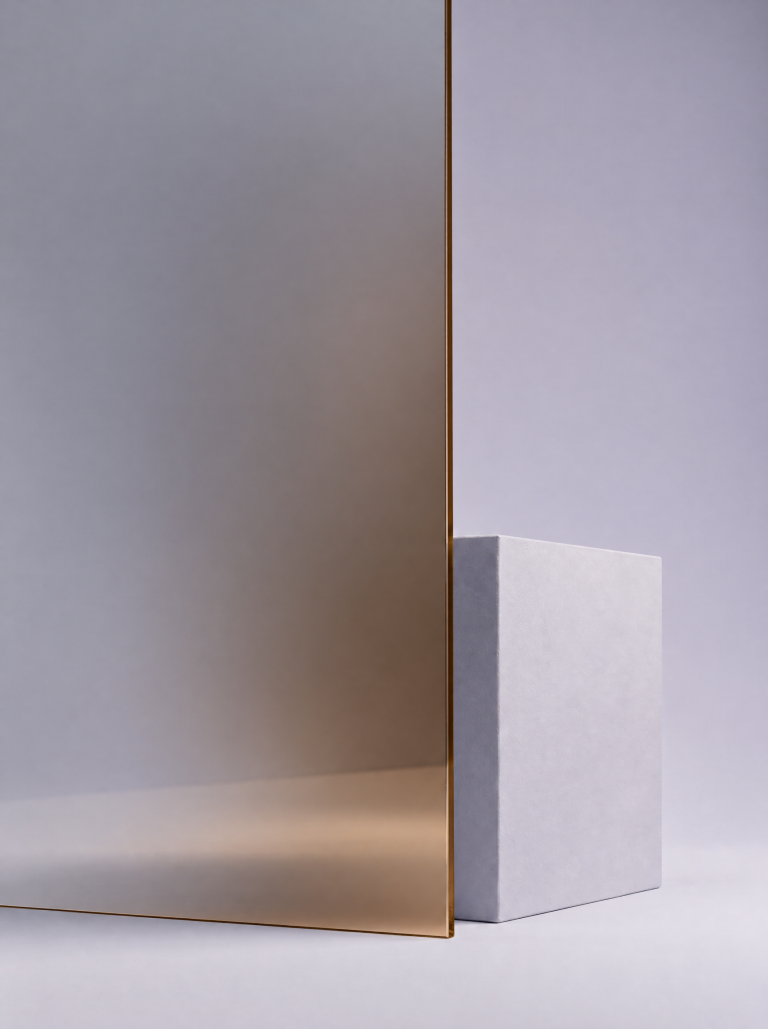
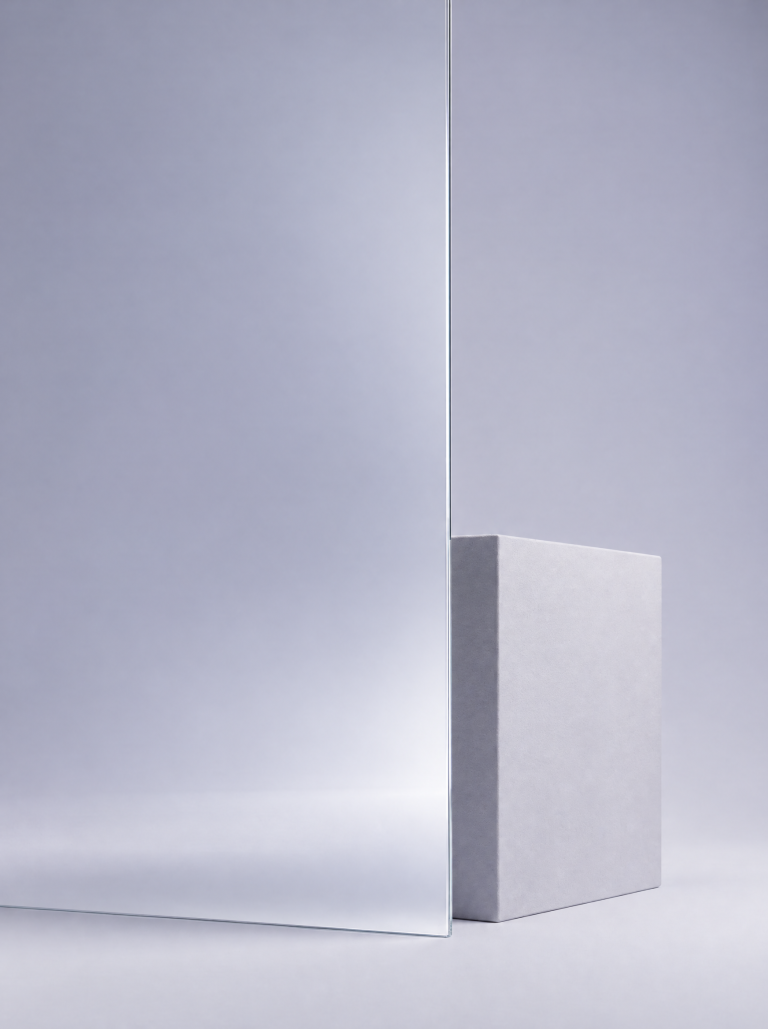
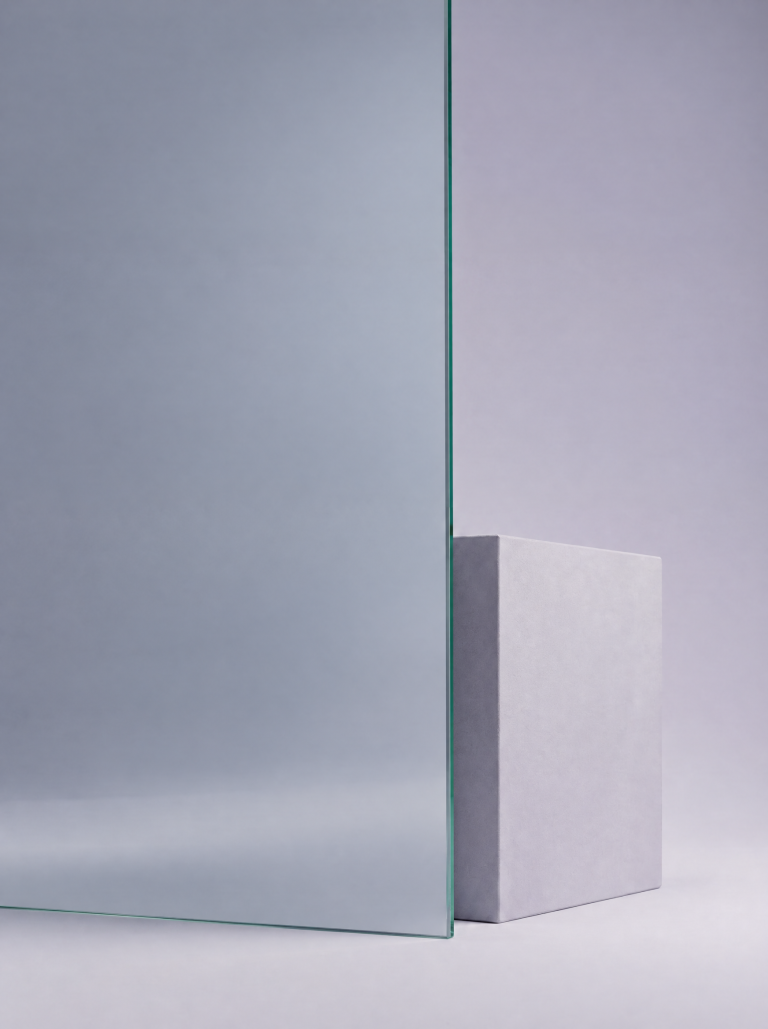
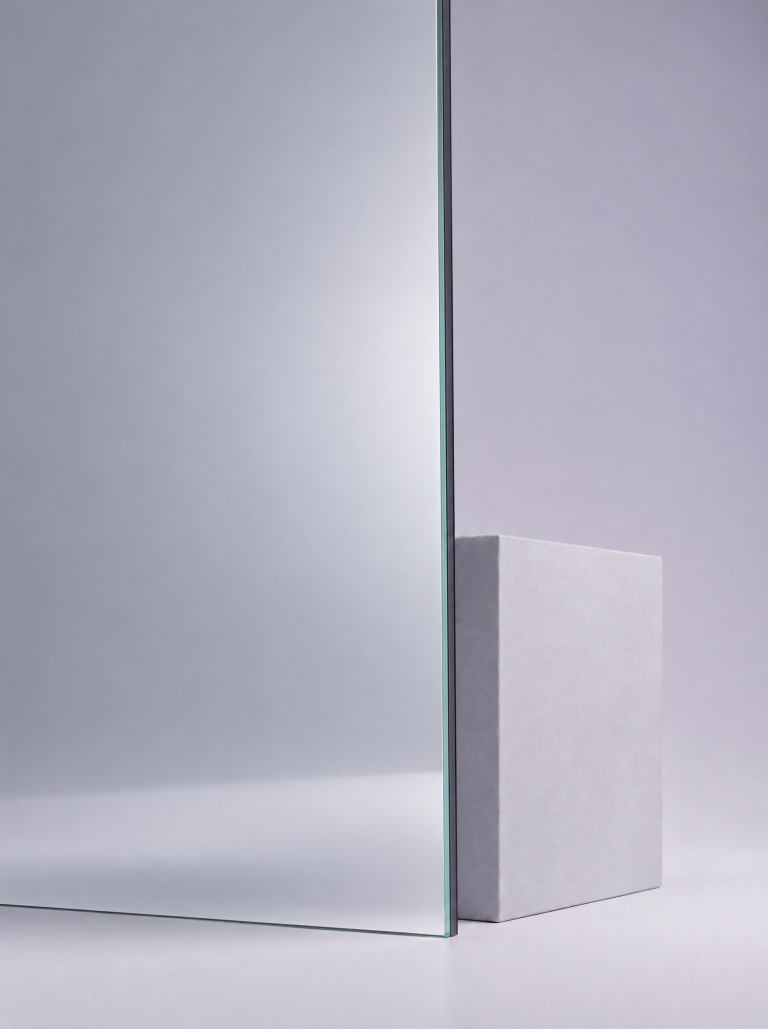
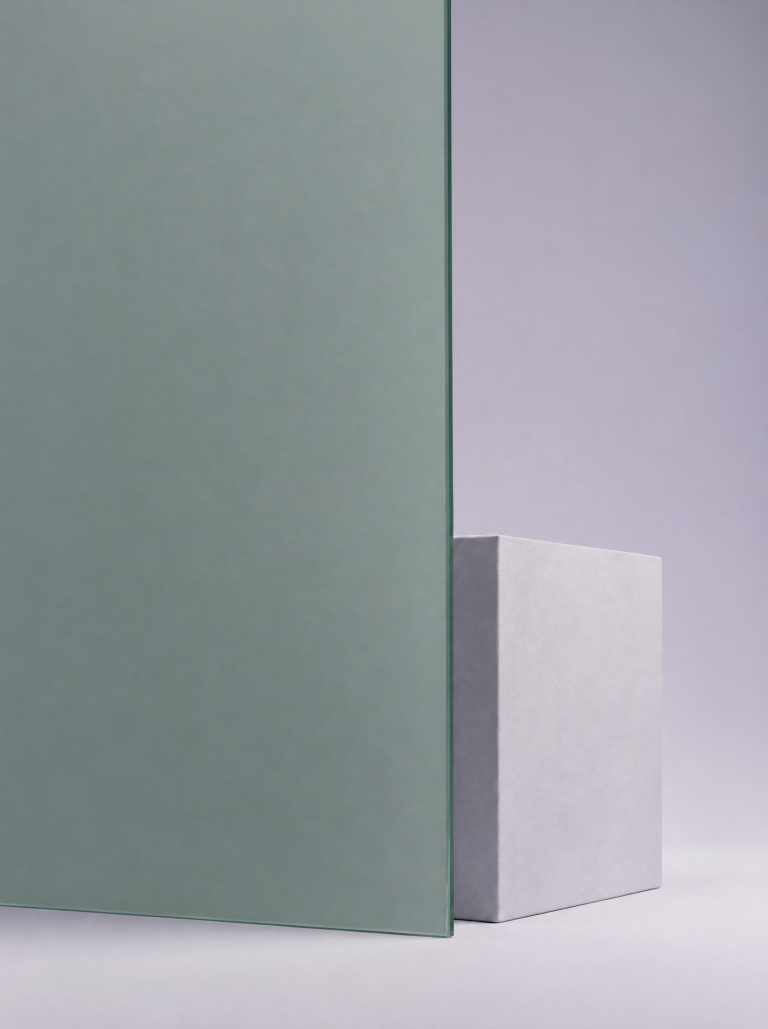
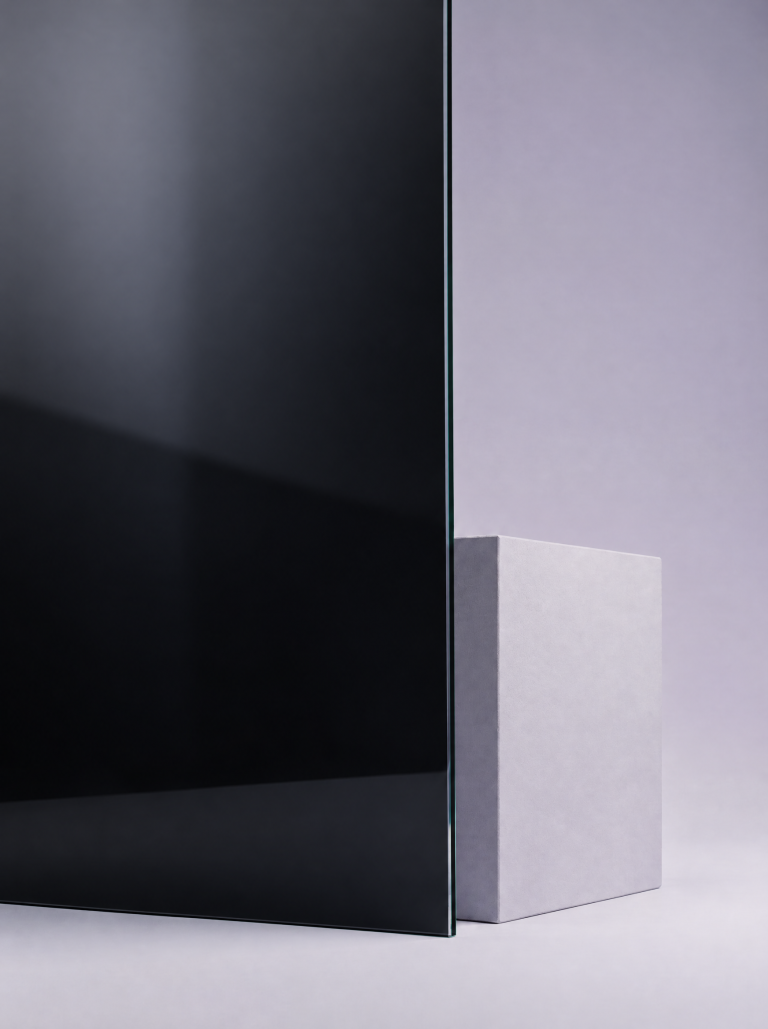
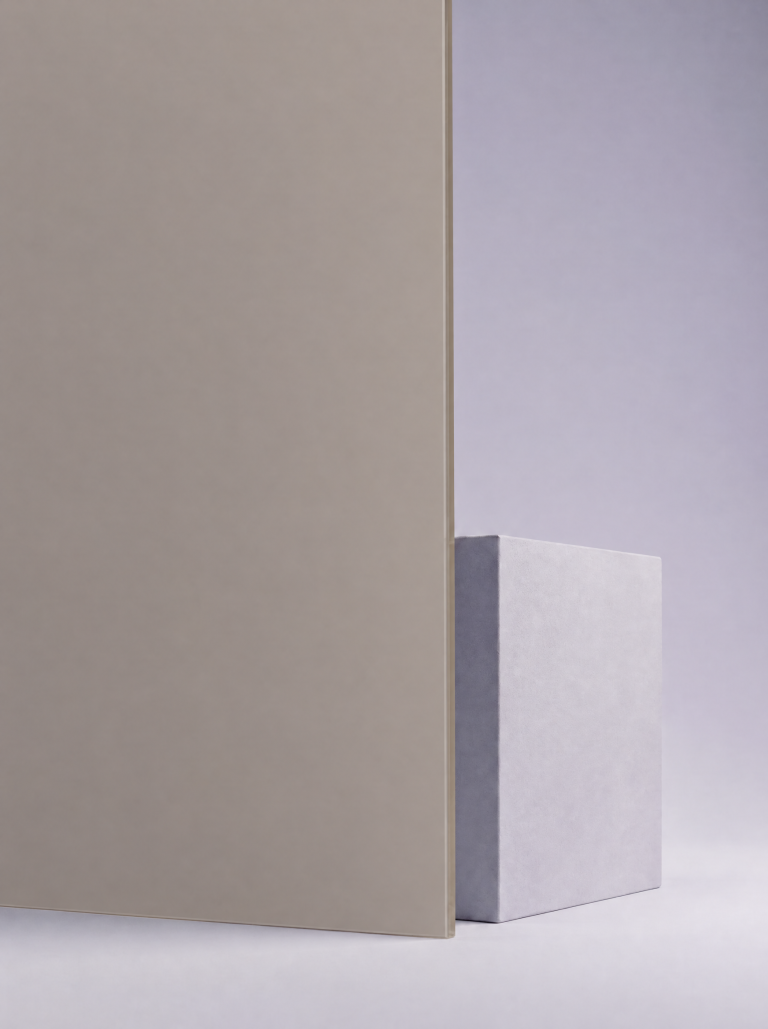
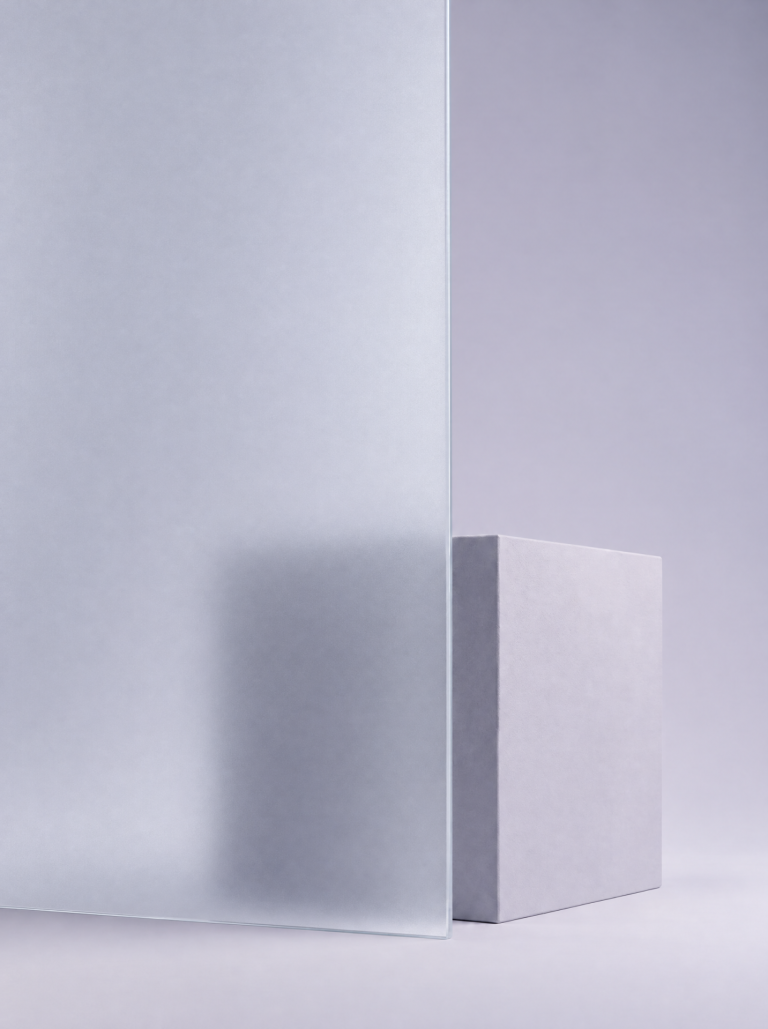
SAMPLE PRODUCTS AVAILABLE WITH THIS SERVICE


Frequently asked questions
-
What bevel width should I choose?
It depends on the size of the mirror or sheet and the effect you want. A narrow bevel is subtle, a wide one emphasises the edge more. We will advise you when you order.
-
Can tempered glass be bevelled?
The bevel is made before tempering. A finished, tempered sheet can no longer be processed mechanically.
-
Is bevelling possible on non-rectangular shapes?
Yes, although it depends on the shape and the radii of the arcs. Send a drawing - we will check whether it can be done.
 730 888 911
 kontakt@kamarglass.pl