
GLASS EDGE POLISHING
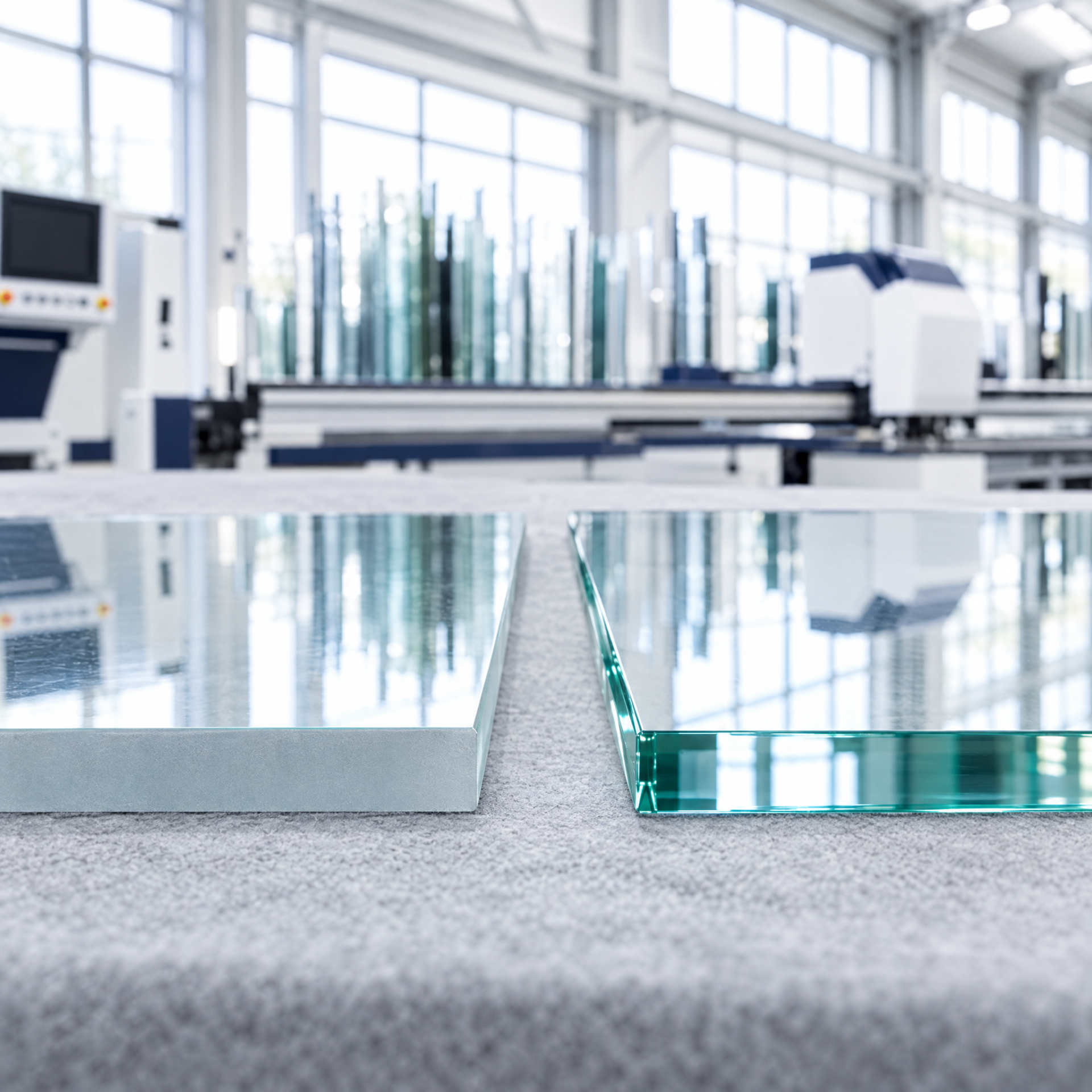
Polishing is the final stage of edge processing. After grinding, the edge is smooth but matt - polishing restores its clarity and shine, so it looks like an extension of the sheet. This finish is used wherever the edge is on view.
We polish flat and bevelled edges on furniture glass, table tops, shelves, mirrors, display cases and frameless doors. A polished edge is smooth to the touch and less prone to minor damage than an edge that is only ground.
WHEN POLISHING IS WORTH IT
When the edge will be visible: in furniture, glass table tops, frameless mirrors, displays and interior elements. For glass hidden in a frame or profile, polishing is not needed - grinding is enough.
POLISHING BEFORE TEMPERING
Like all edge processing, we polish before tempering and laminating. This way, in a single order you get an element that is cut, ground, polished and tempered.
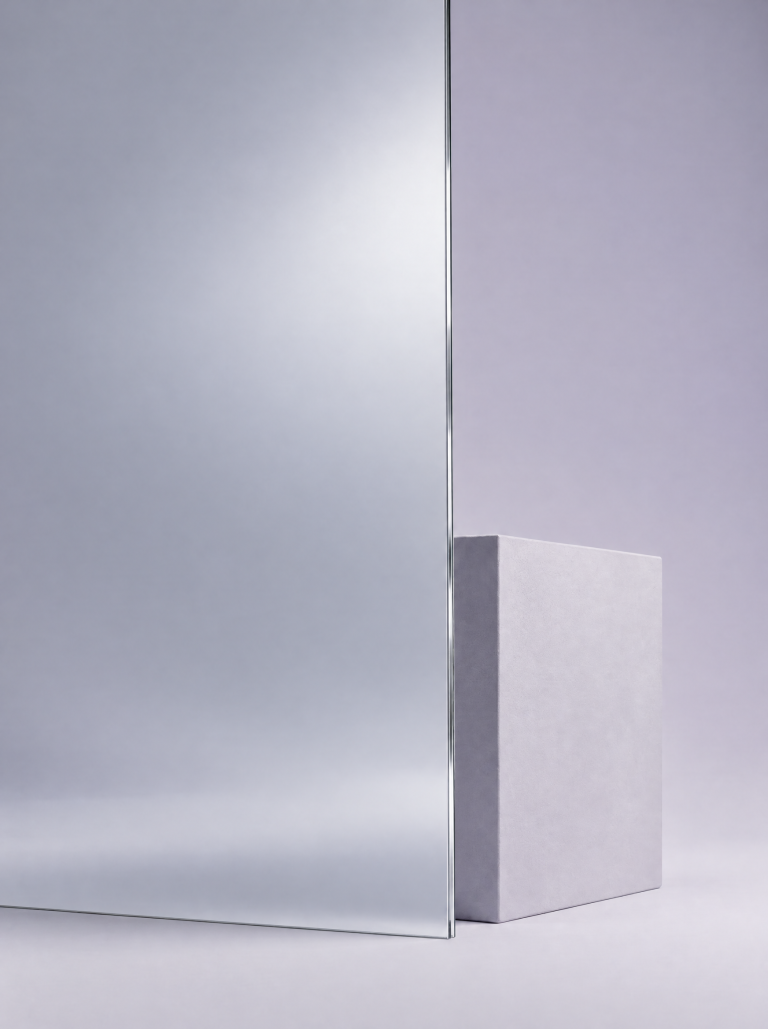
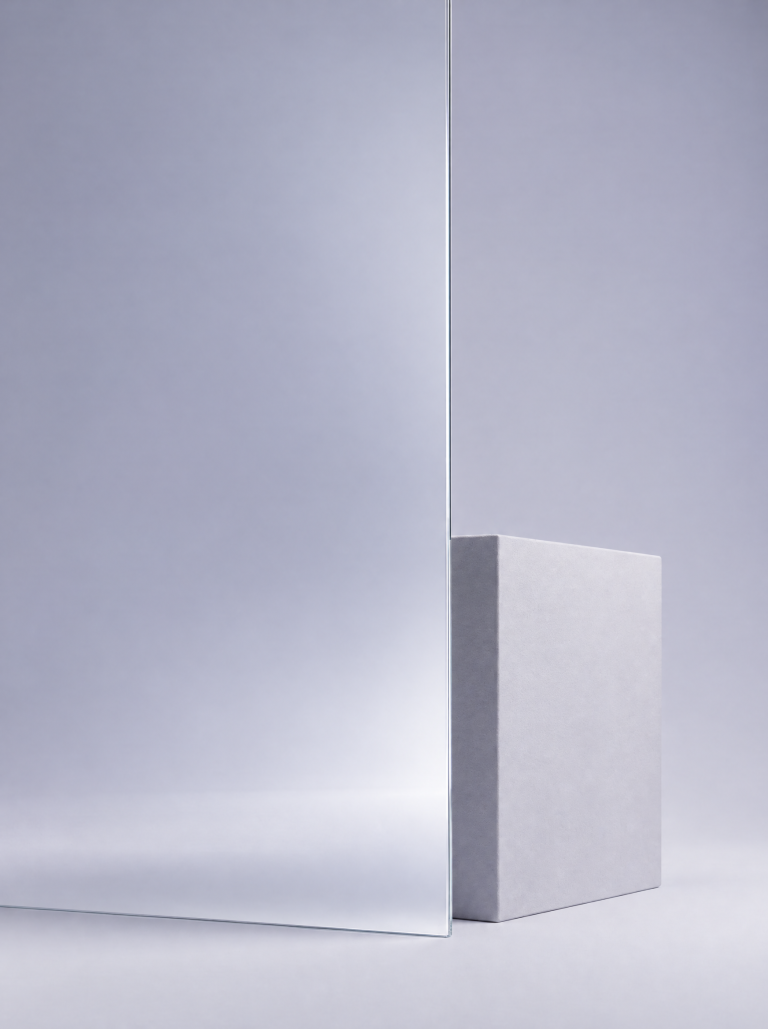
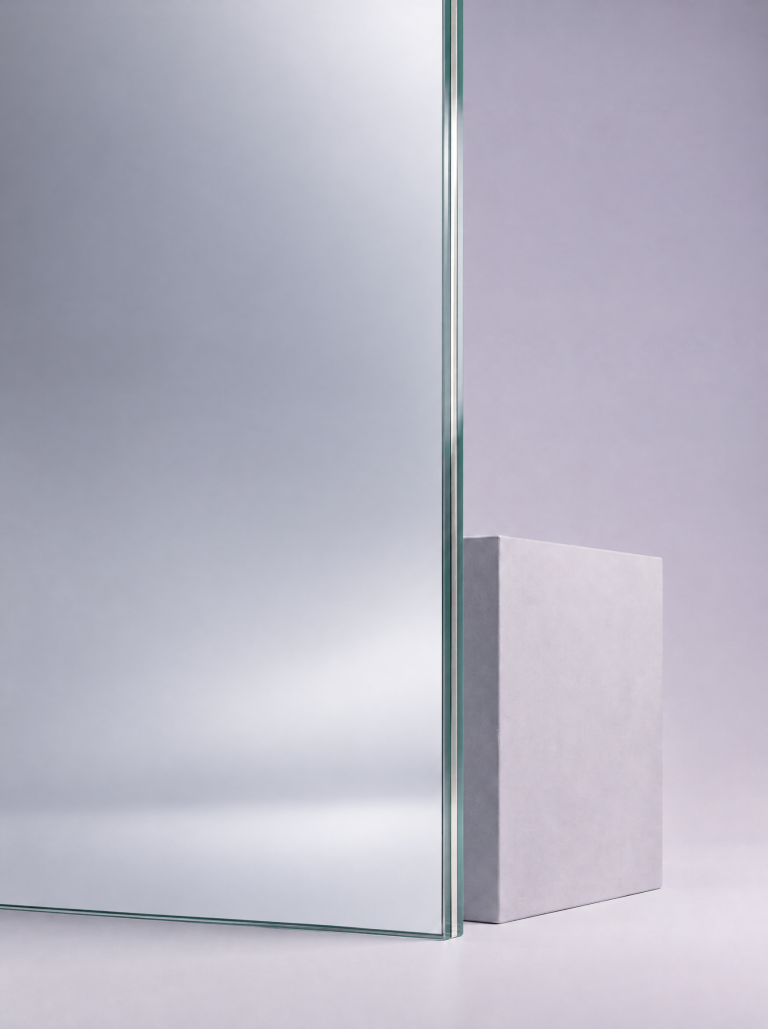
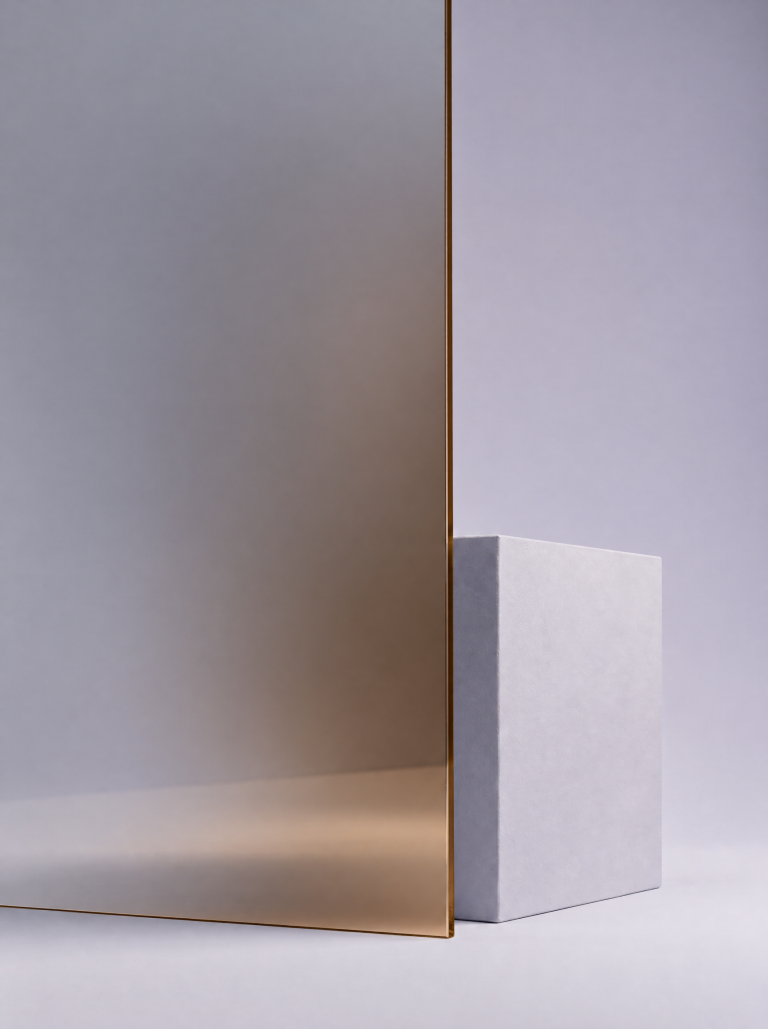
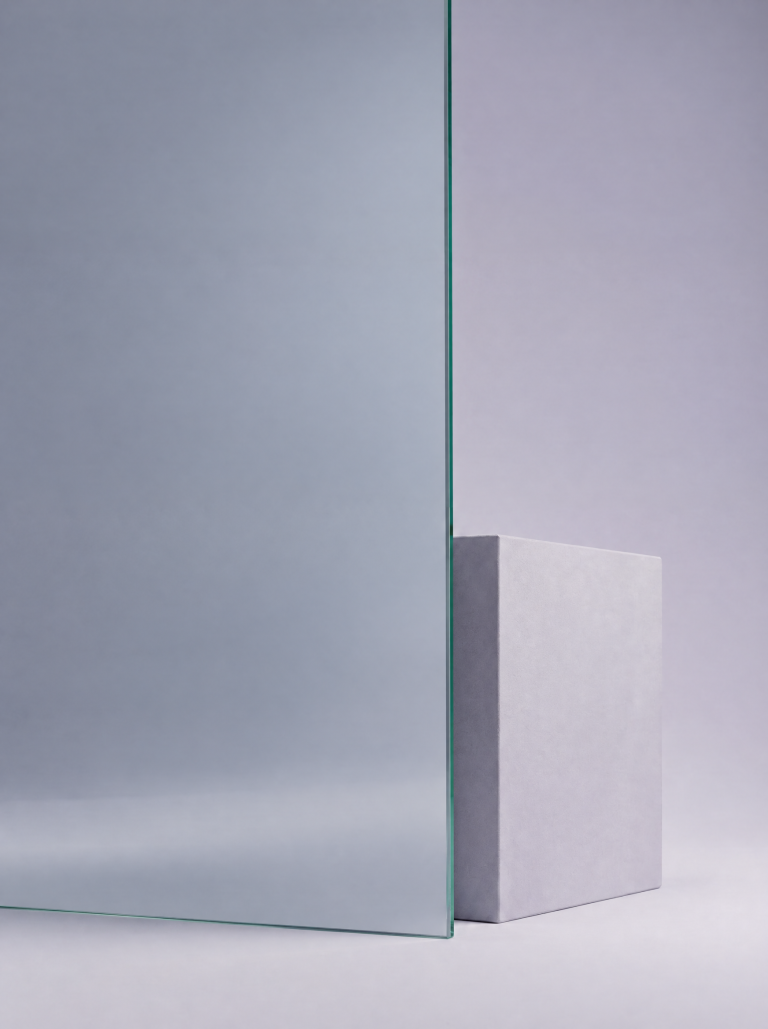
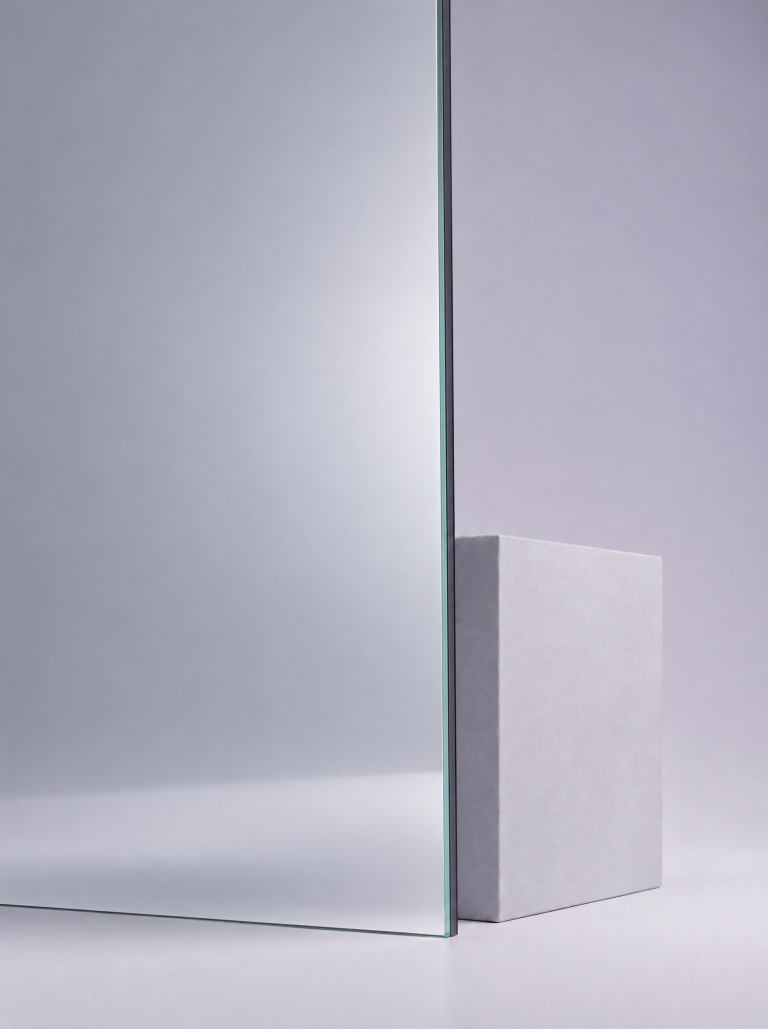
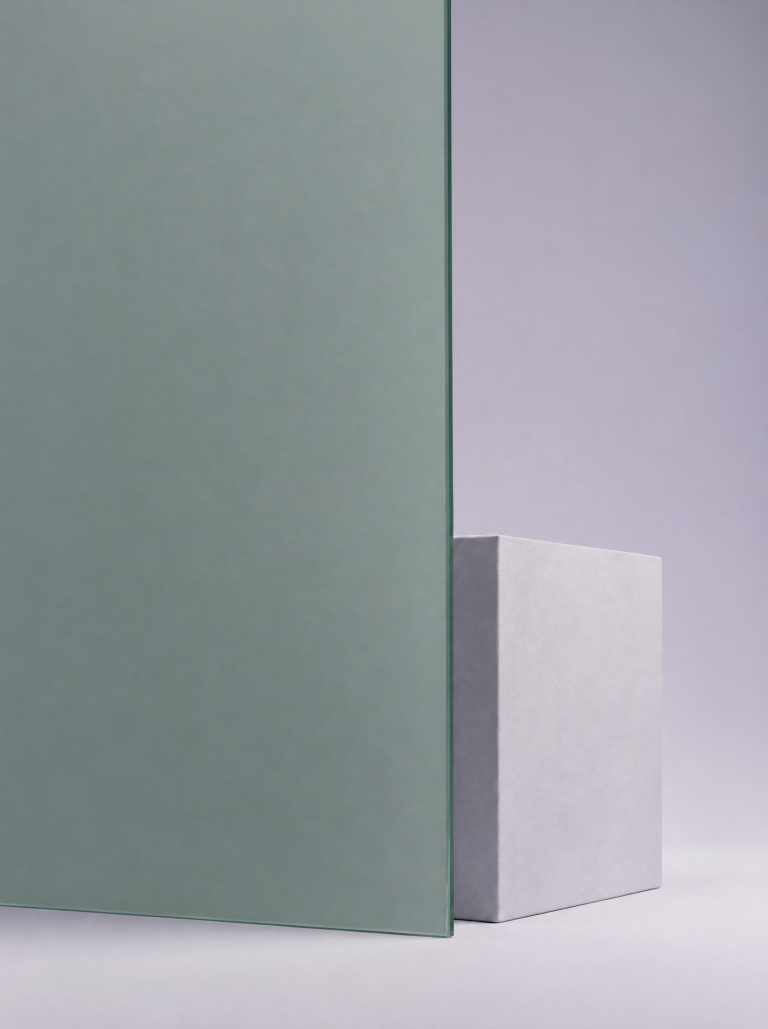
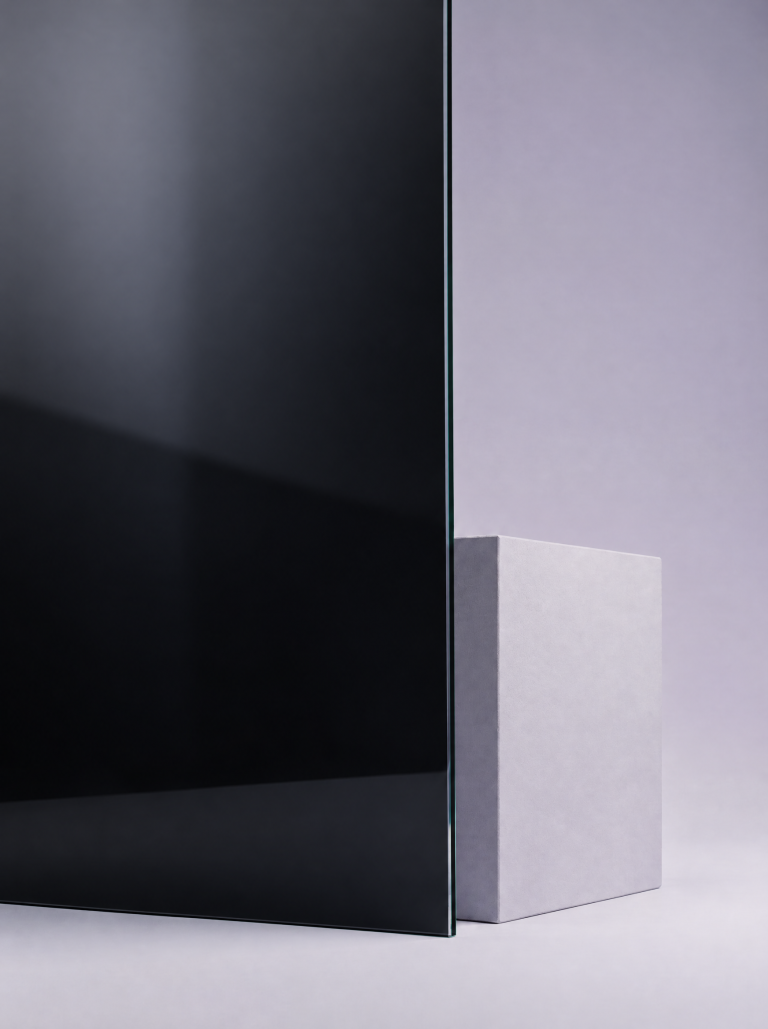
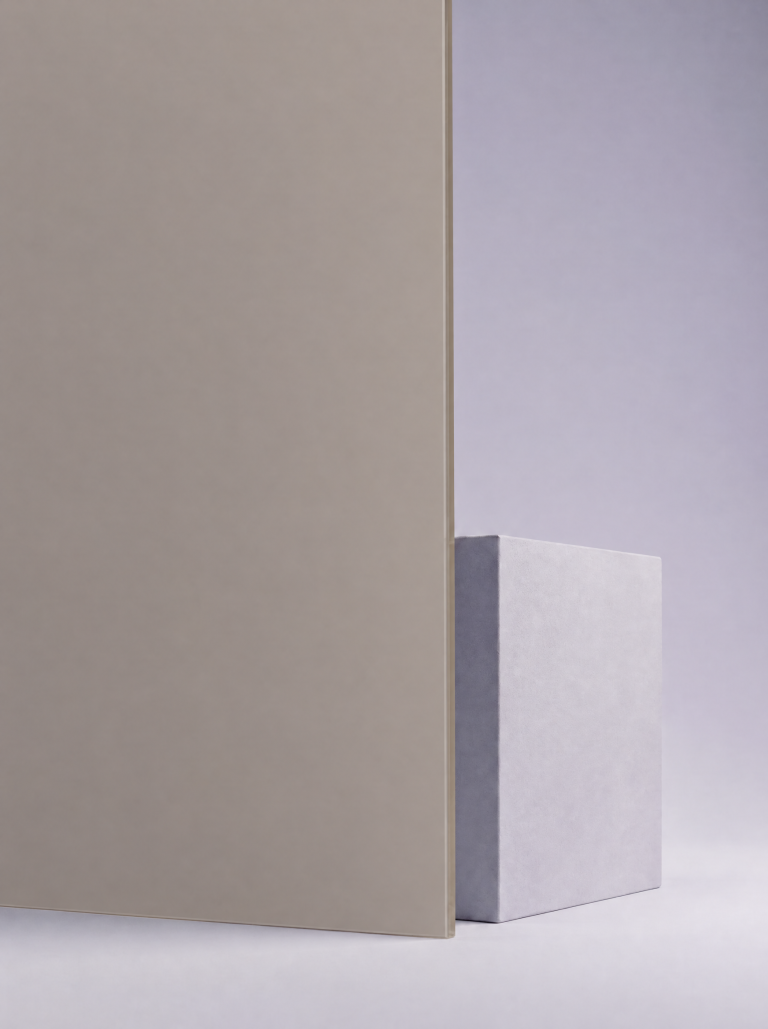
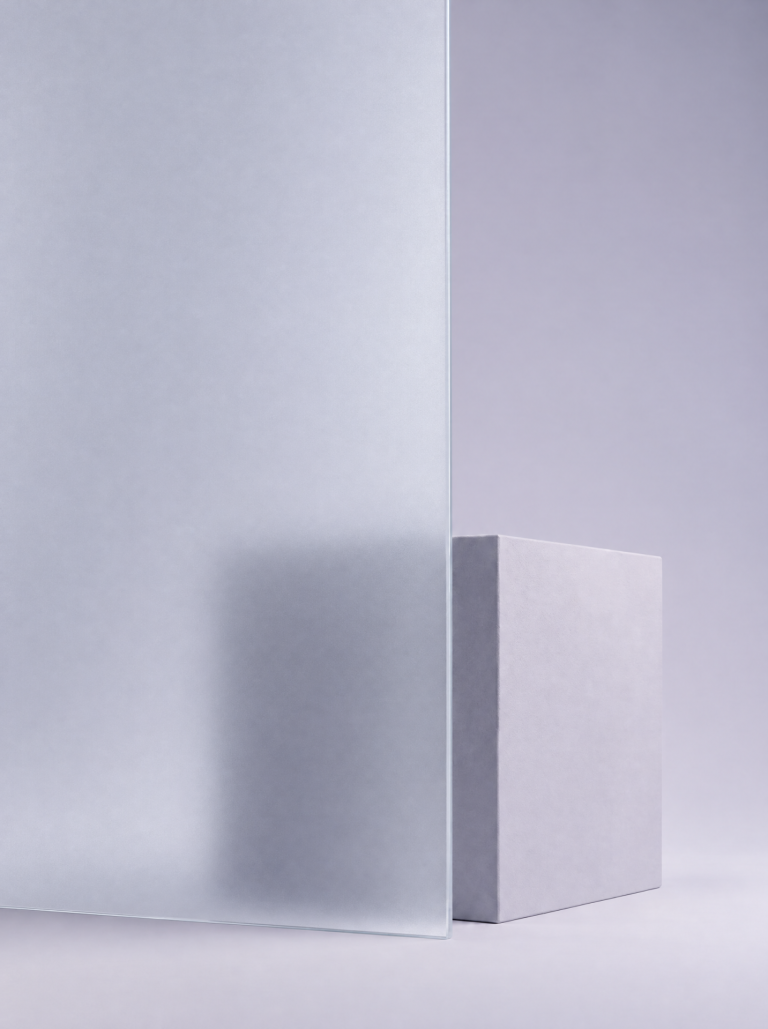
SAMPLE PRODUCTS AVAILABLE WITH THIS SERVICE

Frequently asked questions
-
What is the difference between a polished and a ground edge?
A ground edge is smooth but matt and milky. A polished edge is glossy and clear, so it looks more elegant.
-
Can a mirror edge be polished too?
Yes. A polished edge is standard on frameless mirrors, including bevelled ones.
-
Does polishing increase the cost of the order?
It is an additional processing stage, so it affects the price. We will give the exact cost in the quote, as it depends on the edge length and glass thickness.
 730 888 911
 kontakt@kamarglass.pl